

Opiates and Opioids
What are opiates and opioids? What do they do to the body?
Opiate drugs get their name from their origin, the opium poppy plant. They bind to opioid receptors in the central nervous system to relieve pain. Not only do these receptors help regulate pain, but they also produce relaxation, drowsiness, and feelings of reward and euphoria. They are found to reduce anxiety and control breathing levels.
‘Opioids’ is a broader term and includes both natural plant-based opiates as well as synthetic drugs that act similarly. This term is more commonly used in medicine and public health settings.
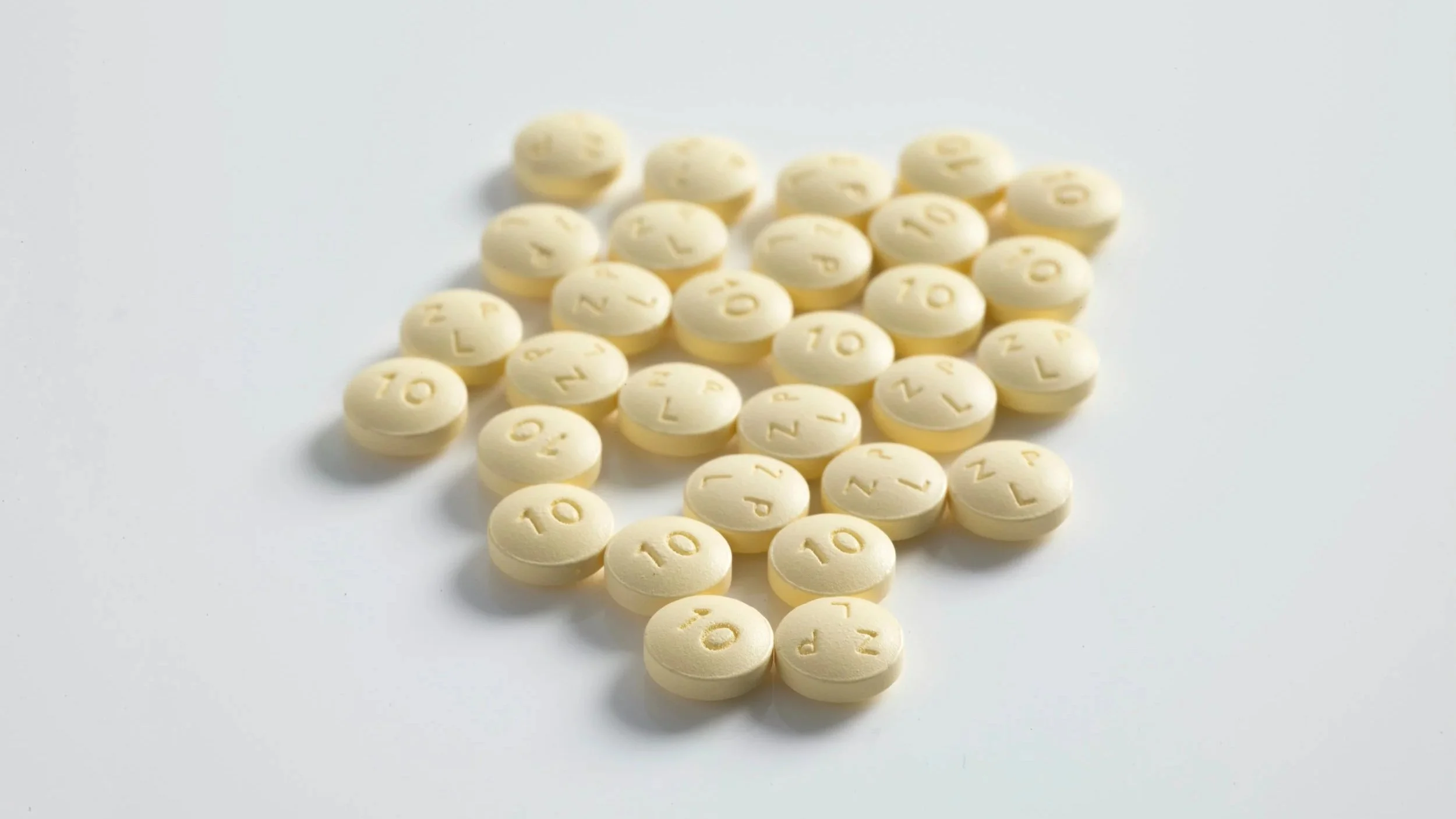
Millions abuse prescription painkillers. Over 75% of fatal drug overdoses involve opioids. Synthetic opioids like fentanyl cause most opioid-related deaths.
What are examples of opioids?
Morphine is one of the oldest and most widely used opioid pain medications. It’s commonly used in hospitals to manage severe pain after surgery and major injuries. Codeine is a weaker opioid often prescribed for mild to moderate pain and sometimes used in prescription cough medicines. Once taken, the body naturally converts some codeine into morphine. Although less potent than many other opioids, it can still lead to dependence and abuse, particularly when used in high doses or over long periods. OxyContin, the long-acting form of oxycodone, is prescribed for ongoing, severe pain that requires time-dependent treatment. It’s designed to provide pain relief for up to 12 hours at a time. Due to its potency, OxyContin is dangerously associated with significant misuse and addiction when tablets are crushed, chewed, and otherwise altered. Percocet combines oxycodone with acetaminophen, a common over-the-counter pain medication. Percocet is stronger than many hydrocodone-based opioids and its unique formulation increases the risk for misuse, dependence, and addiction. Like other opioid-acetaminophen combinations, misuse increases the risk of both opioid overdose and liver toxicity. Vicodin, Methadone, and Hydromorphone are other examples of opioids used for pain relief.
Fentanyl is an extremely potent opioid drug that has recently been dangerously misused. It is approved for medical use and is one of the strongest pain medications available, 100 times stronger than morphine. Read more about it Fentanyl on this page.
Are there any illegal opioids?
Many opioids involved in misuse were originally developed as legitimate medications. Most opioid addiction and overdose stems from this misuse of legal substances. However, certain opioid medications are developed and altered illegally, commonly including fentanyl.
Although most opioids are considered legal, there is one major illegal drug that is highly addictive. Heroin is manufactured from morphine and has no accepted medical use in the U.S. In its original form, heroin is usually a fine, white powder; however, it can be made into a brown powder or a black sticky substance (black tar heroin). It can be injected, sniffed/snorted, or smoked. Injection is more common because it produces a stronger ‘high’ feeling.
Heroin is commonly “cut” (combined with) with other substances, including fentanyl, which is responsible for many drug overdose deaths involving heroin. This also causes nearly all heroin users to be addicted to at least one other drug.
Like other opioids, heroin controls heart rate, sleeping, and breathing by binding to opioid receptors in the brain. It moves extremely rapidly to the brain after intake, making it very dangerous. Furthermore, individuals who continuously use heroin may develop insomnia, damaged tissues, heart infections, lung damage, sexual dysfunction, and various, life-long mental disorders. Individuals who use heroin are also extremely susceptible to HIV and HCV.
Heroin is listed as the one of the most addictive illicit drugs. One can become addicted to heroin in less than two weeks. People who abuse heroin develop a tolerance; they constantly need higher dosages and withdrawal symptoms are severe, increasing the risk for overdose and death. Individuals who have used heroin consistently for a long time no longer experience the ‘high’ of the drug, but continue to abuse it in order to avoid the painful symptoms of withdrawal.
Like most drugs, the effects depend on many factors, such as age, health, environmental changes, consistency, duration, etc.